

I Wish I had Someone to Fill The Silence With

Updated: Sep 17

Key Takeaways
Authenticity is the best filter: Myth of completion: The belief that another person can make us whole is a cultural illusion; true wholeness must come from within.
Emotional dependency: We are taught from childhood that fulfillment comes externally, which fosters inner emptiness and dependency in relationships.
Fear of silence: Silence often feels threatening because it forces us to confront ourselves and the gap between external success and internal peace.
Managing silence: Practices like journaling, meditation, therapy, reflective walks, and creative expression help us tolerate and transform silence.
Reframing loneliness: Silence is not a void but a space — a canvas for reflection rather than a hole to be filled.
Inner courage: True strength lies in the ability to sit honestly with one’s own thoughts, fears, and grief, without expecting another person to erase loneliness.
Over years as part of school and college groups, late night conversation with friends and in therapy I have heard phrases like "I wish I had someone to fill the silence with", "I wish I had someone to cherish me" ,"I wish my spouse would complete me" etc. People waiting for a happy ending. A Cinderella story, where a prince charming makes her complete or a princess who will be the answer to hidden prayer.
The Myth of Completion
Modern culture clings to a seductive fantasy: the belief that another person will finally make us whole. It appears everywhere — in mythology, romance, cinema, advertising, and even the language we use to describe love. We speak of “finding our other half,” of being “incomplete” alone, of searching for the one person who will make existence meaningful. Beneath these expressions lies a deeper assumption: that human beings are unfinished until someone else arrives.
It is an emotionally alluring belief. It is also one of the great psychological illusions of adult life. No relationship, however intimate, can permanently resolve a person’s estrangement from themselves. Yet many people unconsciously build their emotional lives around this expectation. They pursue love not only for companionship, but for relief — relief from loneliness, silence, emptiness, self-doubt, and the discomfort of being alone with their own mind. What is often called love is, in many cases, a search for escape.
The Inheritance of Emotional Dependency
Human beings are not born believing they are incomplete. The feeling is learned. From childhood onward, we absorb narratives in which fulfillment arrives externally. The psychological consequences of these narratives are rarely examined. When people are taught that someone else will eventually “complete” them, they begin to experience inner emptiness as a problem awaiting external resolution. Loneliness becomes less a universal condition and more a perceived failure of circumstance. As a result, many relationships begin not from wholeness, but from hunger.
Silence and the Fear of Self-Confrontation
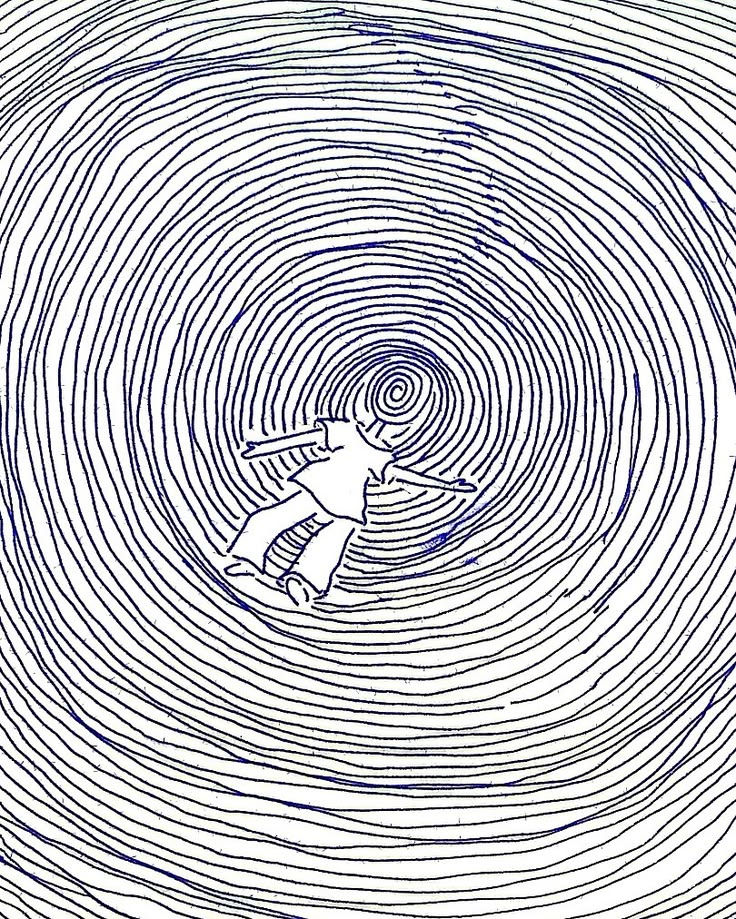
Modern life is structured around avoiding sustained contact with the self. Noise has become emotional anesthesia. Phones, entertainment, social media, work, and endless stimulation create an environment in which people rarely encounter uninterrupted stillness.
But silence eventually arrives — often uninvited. After loss. After divorce. After retirement. After children leave home. After achievement fails to satisfy. When the crowd disappears, silence exposes something unsettling: ourselves.
This is why silence can feel threatening. It reveals the gap between external activity and internal peace. A person may live a socially successful life while remaining internally fragmented.
Practical Ways to Manage Silence
One of adulthood’s most difficult tasks is learning to exist with silence. It is not a void to be feared but a reality to be accepted.
The first step is simply acknowledging its existence, allowing ourselves to sit with it rather than escape from it. In that stillness, difficult emotions such as sadness, loneliness, or unease often surface, and the task becomes learning to let them move through us rather than suppressing them.
Practices such as journaling, therapy, meditation, reflective walks, artistic creation, and intentional silence help cultivate this capacity. not because they eliminate pain, but because they strengthen emotional tolerance.
Once the weight of those emotions is given space and gently released, silence shifts from being a burden to becoming a lens through which we can observe life more clearly. It allows us to stand as witnesses to the unfolding play of existence, seeing events, relationships, and experiences with greater perspective.
Closing Reflection
To live without the myth of completion is not to abandon love or relationships. It is to abandon the illusion that another person will erase my loneliness. A person who can sit honestly with their own thoughts, fears, grief has found in the courage to meet oneself.
FAQ
How do I deal with the silence that comes with loneliness?
The weight of silence is often just the volume of our own internal dialogue. When we are lonely, that dialogue tends to turn critical or fearful.
Reframe the Void: Instead of viewing silence as a "lack of sound," try viewing it as a "presence of space." It is the canvas, not the hole.
Gradual Exposure: If total silence is overwhelming, use "brown noise" or ambient natural sounds rather than podcasts or music with lyrics. This reduces the sensory vacuum without providing a narrative distraction to hide behind.
The "Anchor" Method: When the silence feels like it’s pulling you under, focus on one physical anchor in the room—the texture of a chair, the temperature of your hands, or the rhythm of your breath. It brings you back from the "future-fear" of being alone to the "present-fact" of simply being.
How can art therapy help cope with loneliness?
Art therapy works because it bypasses the logical brain, which is often where our "narratives of incompleteness" live.
Externalization: Loneliness feels like a heavy, internal mass. By painting, sculpting, or even doodling, you move that mass from inside your chest to outside on the table. You can then look at it objectively rather than feeling consumed by it.
Safety in Symbolism: It is often easier to draw a "storm" than to talk about despair. Art provides a safe metaphor for feelings that are too jagged to put into words.
Kinetic Release: The physical act of creation—pressing a pen to paper or kneading clay—can ground the nervous system, signaling to the brain that you are safe and active in your environment.
What does "witnessing your thoughts" mean?
Witnessing is the act of observing your mind without participating in its drama. It is the shift from "I am sad" to "I notice a feeling of sadness."
The Sky and the Clouds: Imagine your awareness is the blue sky. Your thoughts (loneliness, hunger, boredom) are just clouds passing through. The sky doesn't try to stop the clouds, nor does it become the clouds; it simply provides the space for them to exist and eventually drift away.
Non-Judgmental Labeling: When a thought like "I'll never find someone" appears, mentally say, "There is a 'catastrophizing' thought." By naming the type of thought, you strip it of its power to define your reality.
How can I tell the difference between "Healthy Need" and "Hunger"?
Human beings are social creatures; wanting connection is healthy. The "Myth of Completion" begins when that want becomes a requirement for basic stability.
The "Whole-to-Whole" Check: Ask yourself: "Am I looking for a partner to share my life with, or am I looking for a partner to save me from my life?"
The Contentment Test: If you cannot find a single moment of peace while alone, you are likely operating from "hunger." Wholeness doesn't mean you don't want a partner; it means your worth isn't indexed to having one.
What is the difference between solitude and being lonely?
While they may look the same to an observer—a person alone in a room—loneliness and solitude are psychologically opposites. The difference lies in whether being alone is a deficiency or a choice.
Loneliness is a state of poverty. It is the "hunger" you described—the feeling that you are a "half" waiting for a "whole." It is an involuntary ache characterized by the feeling that something is missing. When you are lonely, you are a "bad host" to yourself; you are bored, restless, or anxious in your own company.
Solitude is a state of abundance. It is the "wholeness" of being alone. It is a deliberate choice to engage with your own mind, creativity, or observations. In solitude, you are "keeping yourself company." You aren't waiting for life to begin when someone else arrives; life is happening in the richness of the quiet.

Author Bio
Monica Kapur is an Art Therapist based in Delhi and working globally online. She specializes in helping individuals overcome anxiety, stress, trauma, and emotional blocks through Art Therapy, somatic practices, and neurographica. Passionate about mental health, she writes to inspire readers to pause, reflect, and reshape their lives with greater clarity and compassion.


Comments