

How to Cope with Loneliness on Valentine’s Day

Updated: Sep 17

Key Takeaways
Valentine’s Day pressure can intensify loneliness, depressive rumination, and relationship anxiety, especially among young adults.
Social comparison, attachment activation, and cultural love idealisation are the main psychological triggers behind emotional distress during this holiday.
Art therapy provides a safe outlet for emotions by externalising feelings, calming the nervous system, and bypassing harsh self-criticism.
Creative practices like collages, self-love letters, kintsugi-inspired heart repair, and safe space artwork help broaden definitions of love, build resilience, and foster self-compassion.
Valentine’s Day can shift from a day of absence to a day of self-connection when approached intentionally with creative expression.
Valentine’s Day is marketed as the happiest day for love — yet mental health research suggests it can be one of the heaviest days emotionally. Rates of loneliness, depressive rumination, social comparison, and relationship anxiety often rise in the days surrounding 14th February — particularly among students and young adults. The pressure to feel loved, chosen, and celebrated can intensify existing emotional vulnerabilities.
But whether you’re single or in a relationship, this day does not have to damage your mental health. With intentional psychological tools — especially creative expression — it can become a day of emotional awareness rather than emotional distress.
The Psychology Behind Valentine’s Day Loneliness
Research in social and clinical psychology highlights three key triggers:
1. Social Comparison Theory
Constant exposure to curated couple content can lead individuals to evaluate their own worth against others’ relationships — often negatively.
2. Attachment Activation
Romantic holidays heighten attachment needs. Those with anxious or avoidant attachment styles may feel rejection, pressure, or emotional distance more strongly.
3. Cultural Love Idealisation
Society centres romantic love as the primary marker of happiness, sidelining platonic love, self-worth, and independence.
This combination can increase:
Depressive thoughts
Feelings of inadequacy
Emotional isolation
Relationship dissatisfaction (even among couples)
How Art Therapy can help you?
Art therapy is based on the idea that emotions don’t just live in thoughts — they live in the body and subconscious too. Sometimes feelings like loneliness, rejection, or sadness are hard to verbalise. Creating visually helps release what words can’t.
Psychologically, it works in three key ways:
1. Externalisation
When you draw or create what you feel, the emotion moves from inside you to outside becomes something you can see, understand, and work through — rather than something overwhelming you internally.
2. Emotional Regulation
Creative activities calm the nervous system. Repetitive motions like colouring, painting, or cutting reduce cortisol (stress hormone) and slow anxious thinking.
3. Self-Reflection Without Judgment
Art bypasses harsh inner criticism. You’re not analysing feelings — you’re expressing them, which feels safer for many people. You don’t need artistic skill. The therapeutic value lies in the process, not the outcome.
Valentine’s Day Art Therapy Activities for Single People
These are designed specifically for loneliness, self-worth, and emotional grounding.
1. “What Love Still Exists” Collage
Create a collage of love that exists in your life outside romance:
Friends
Family
Pets
Achievements
Nature
Purpose
Why it helps:
Broadens the brain’s definition of love, reducing “I have no one” thinking.
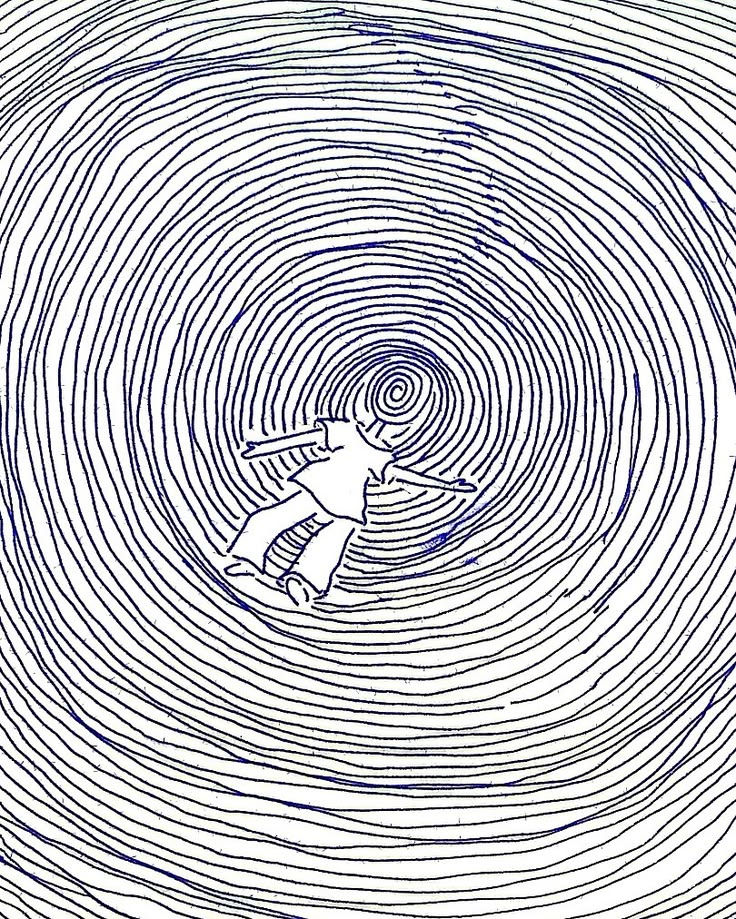
2. Draw Your Loneliness
Give your loneliness a visual form:
A colour
A shape
A figure
A space
Then add:
What feeds it
What soothes it
What protects you from it
Why it helps:
Separates your identity from the emotion and increases emotional awareness.
3. Self-Love Letter Art
Write a letter to yourself as if from someone who loves you deeply. Decorate it with colours, affirmations, or symbols.
Prompts:
What makes you worthy?
What have you survived?
What would someone proud of you say?
Why it helps:
Builds self-compassion and softens self-criticism.
4. Heart Repair (Kintsugi-Inspired)
Draw or cut out a heart. Break or tear it into pieces. Then repair it using tape, gold pen, thread, or paint. Write what each “crack” represents — loneliness, rejection, pressure.
Why it helps:
Symbolises resilience and emotional healing.
5. Safe Space Artwork
Create a drawing or painting of a place where you feel emotionally safe — real or imagined. Include colours, objects, people, or sensory details.
Why it helps:
Acts as a grounding visual when loneliness spikes.
6. Future Love Vision Board
Focus not on a person — but on emotional qualities:
Safe. Reciprocal. Calm. Respectful. Supportive.
Why it helps:
Encourages healthy relationship expectations rather than scarcity thinking.
Closing Reflection
Valentine’s Day can highlight absence — but it can also become a day of self-connection if approached intentionally.
Art therapy doesn’t remove loneliness overnight, but it:
Releases emotional pressure
Builds self-understanding
Reduces depressive rumination
Encourages self-compassion
And sometimes, creating is easier than explaining.
If Valentine’s Day feels particularly heavy for you and you’d like guided support, you don’t have to navigate it alone.
💬 You’re welcome to reach out to me for a consultation if you’re struggling with loneliness, low mood, or emotional overwhelm. We can explore supportive tools — including art therapy — tailored to you.

Author Bio
Monica Kapur is an Art Therapist based in Delhi and working globally online. She specializes in helping individuals overcome anxiety, stress, trauma, and emotional blocks through Art Therapy, somatic practices, and neurographica. Passionate about mental health, she writes to inspire readers to pause, reflect, and reshape their lives with greater clarity and compassion.


Comments